
Cultural insights how different societies view gambling and chance
Historical Perspectives on Gambling
Throughout history, gambling has been an integral part of various cultures, serving as both entertainment and a means of social interaction. In ancient Rome, for instance, games of chance were popular among all classes, with dice games often played during public festivals. These events were not merely about luck but were intertwined with societal rituals, often believed to invoke the favor of the gods. Such historical roots indicate that gambling has long been considered a communal activity, providing a lens through which we can view the evolution of cultural attitudes towards chance. For those interested in exploring modern options, mafiacasino-official.org offers a wide array of online gaming experiences.

In contrast, traditional Chinese culture has historically regarded gambling with a blend of fascination and caution. While games of chance like mahjong and Pai Gow are celebrated social pastimes, gambling’s association with potential moral decay has led to a complex relationship. The Chinese New Year, for example, often features gambling as part of festivities, reflecting its acceptance within certain contexts. However, this coexistence of enjoyment and concern showcases how societies negotiate the morality surrounding gambling and chance.
Similarly, in the Middle Ages, gambling faced scrutiny in European societies, particularly in relation to the Church, which viewed it as sinful. Despite this, the allure of chance persisted, leading to a clandestine gambling culture that thrived in taverns and backrooms. This dichotomy of acceptance and rejection is evident even today, as many societies grapple with the fine line between entertainment and addiction, reflecting a continually evolving understanding of gambling’s role in social life.
Cultural Attitudes Towards Luck and Fate
The concept of luck varies dramatically across cultures, influencing how gambling is perceived. For instance, in many Western cultures, luck is often viewed as a random force that individuals can harness through skill or strategy, particularly in games like poker. This belief in personal agency is deeply rooted in the cultural narratives of individualism and self-determination. Consequently, gambling becomes not just a game of chance but a test of one’s abilities to outwit opponents and overcome odds, leading to a more favorable view of chance-taking activities.
Conversely, in many Eastern societies, luck is frequently associated with fate and destiny, underscoring a more communal perspective. The belief in karma and ancestral guidance influences how chance is approached, with some viewing gambling as a way to honor family and traditions. The practice of betting during festive occasions, for instance, is seen not as mere gambling but as a ritual that strengthens familial bonds. This illustrates how cultural narratives shape the understanding and acceptance of gambling within different societal contexts.
Moreover, the relationship between gambling, luck, and spirituality is particularly pronounced in Indigenous cultures around the world. In Native American traditions, gambling has been incorporated into ceremonies and community gatherings, reflecting a belief that luck is not solely a personal endeavor but a shared experience. Such practices challenge mainstream perceptions of gambling, revealing how cultural frameworks can redefine the meaning of chance and influence societal attitudes towards it.
Legal Aspects of Gambling Across Societies
The legal status of gambling varies significantly from one country to another, deeply influenced by cultural attitudes and historical contexts. In some societies, like the United Kingdom, gambling is heavily regulated but accepted as a legitimate form of entertainment. The Gambling Act of 2005 established a framework that ensures consumer protection while promoting responsible gaming. This legal acceptance reflects a pragmatic approach to gambling, acknowledging its popularity while aiming to mitigate potential social harms.
In stark contrast, countries such as Saudi Arabia maintain strict prohibitions against all forms of gambling, viewing it as incompatible with Islamic teachings. Here, cultural beliefs dictate a clear demarcation of acceptable behavior, positioning gambling as a moral failing. This stringent legal stance underscores the significant role that religious and cultural values play in shaping national policies regarding gambling and chance.
Furthermore, the rise of online gambling has introduced new challenges and opportunities for regulation. Nations like Australia have embraced online platforms, creating legal structures to govern digital gambling while ensuring player protection. This reflects an acknowledgment of changing societal norms, as many people now engage with gambling through virtual means. However, the global nature of online gambling complicates legal frameworks, leading to ongoing debates about responsibility and regulation across borders.
Gambling as a Form of Entertainment and Economic Impact
In many societies, gambling is primarily viewed as a form of entertainment, contributing significantly to the economy. For example, Las Vegas stands as an iconic representation of gambling culture in the United States, attracting millions of visitors who seek the thrill of chance. The gaming industry in Nevada generates billions in revenue, illustrating how gambling can serve as both an economic engine and a cultural phenomenon. This perception aligns with a broader understanding of leisure and recreation, positioning gambling as an acceptable and enjoyable pastime.
Conversely, in regions where gambling is stigmatized, such as in parts of Asia, economic opportunities related to the gaming industry may be overlooked. Governments in these areas might prioritize alternative forms of entertainment, often resulting in lost revenue that could benefit public welfare. This discrepancy highlights how cultural views on gambling can directly influence economic policies and the viability of the gambling industry in various contexts.
Moreover, the intertwining of gambling with tourism illustrates its dual role as both entertainment and an economic stimulus. Countries like Macau have successfully marketed themselves as gambling hubs, drawing international tourists and fostering local economies. Such examples showcase how societies can embrace gambling not just as a chance-based activity but as a vital part of their cultural identity and economic strategy.
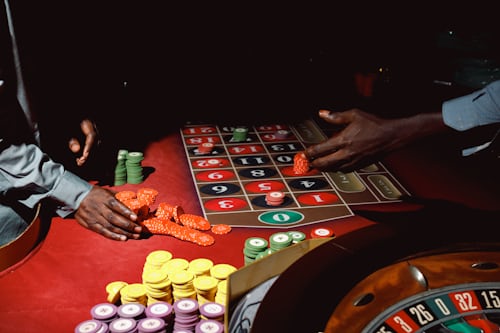
Exploring Mafia Casino’s Role in the Online Gambling Landscape
Mafia Casino, launched in 2025, represents a modern entry into the online gambling arena, offering a diverse selection of games ranging from slots to live table events. This platform aims to cater to a global audience, reflecting the growing acceptance of online gambling across different cultures. By providing a user-friendly interface and a vast library of gaming options, Mafia Casino seeks to redefine the online gambling experience while adhering to international gaming regulations.
With a generous welcome bonus and a commitment to fair play, Mafia Casino aligns with the evolving landscape of online gaming, emphasizing both entertainment and security. The casino operates under a reliable international gaming license, reinforcing its dedication to responsible gaming practices. This approach not only fosters trust among players but also encourages a cultural shift towards viewing online gambling as a legitimate and enjoyable form of entertainment.
As the online gambling industry continues to expand, platforms like Mafia Casino are at the forefront of this evolution, adapting to diverse cultural attitudes towards chance and gambling. By prioritizing customer support and regularly updating their game offerings, they contribute to a vibrant online gaming community that resonates with players worldwide. In doing so, they exemplify how modern gambling platforms can bridge cultural divides while enhancing the global entertainment experience.